
Let’s be honest: most of us don’t give our drains a second thought until they decide to stop working. We live in an age of incredible convenience: you turn a handle, and clean water arrives; you pull a plug, and the "mess" disappears. It’s almost like magic! But here in Philadelphia, where many of our beautiful homes have seen quite a few decades (or even centuries) of history, those drains are working harder than you might realize.
Think of your home’s plumbing system like the circulatory system in your body. Your pipes are the veins and arteries that keep everything flowing smoothly. When things get gunked up, the whole system feels the pressure. We’ve seen it all at McClain Bros LLC., from minor slow-downs to full-blown basement floods that could have been avoided with just a little bit of "TLC."
If you’re tired of standing ankle-deep in soapy water during your morning shower or worrying about that "glug-glug" sound coming from the kitchen sink, this guide is for you. We want to help you stay ahead of the game so you don't have to call for an emergency plumber in the middle of a Sunday night.
Here are the seven most common mistakes Philadelphia homeowners make with their drains: and how you can fix them today.
1. Are You Relying Too Much on Chemical Drain Cleaners?
It’s tempting, right? You’re at the hardware store, you see a bright bottle promising to "dissolve hair and grease in seconds," and you think, "Perfect! This is way cheaper than calling a pro."
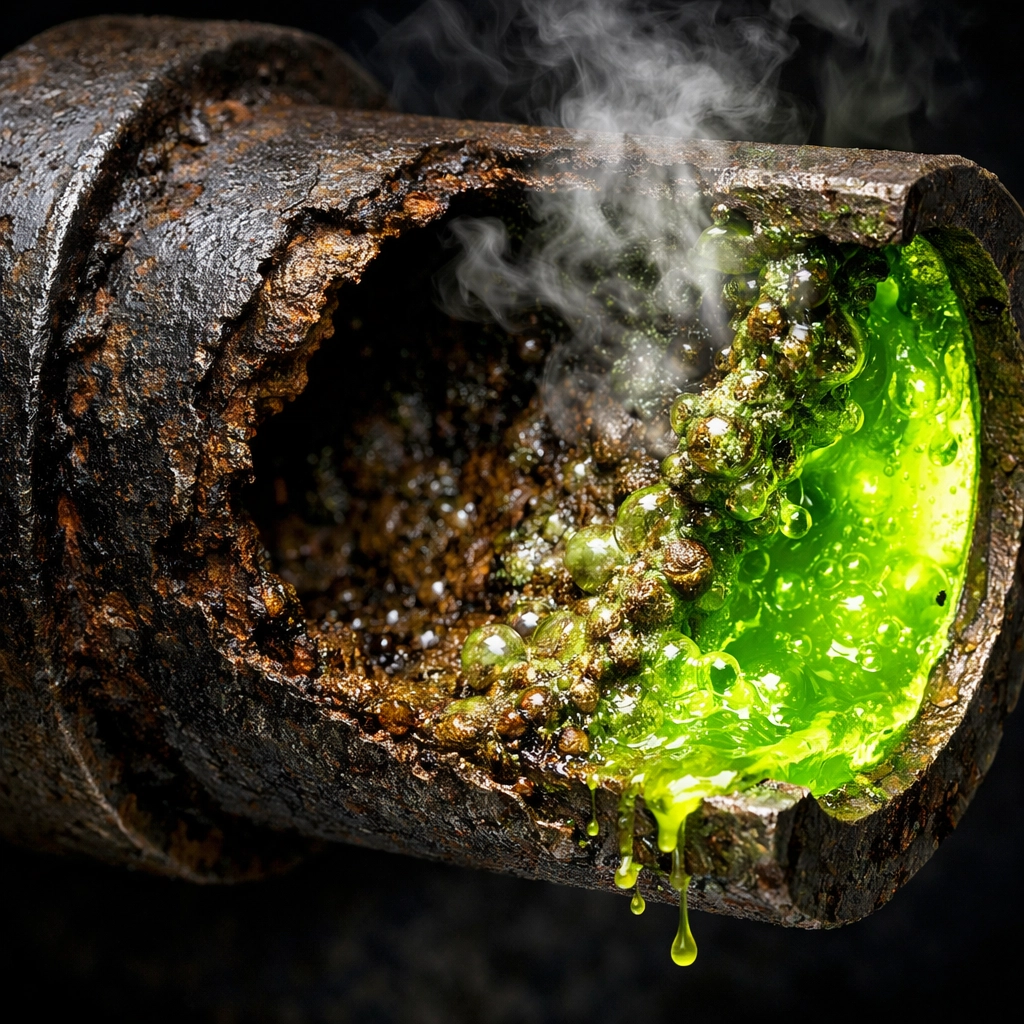
But here’s the truth: those liquid drain cleaners are basically a chemistry experiment gone wrong for your pipes. Most of them are highly caustic, meaning they use intense heat and chemical reactions to eat through a clog. While they might clear a small path through the gunk, they are also eating away at your pipes: especially if you have older galvanized steel or cast-iron plumbing common in Philly rowhomes. Over time, this leads to thinning pipe walls and, eventually, pinhole leaks or total collapses.
The Fix: Skip the chemicals. If you’ve got a slow drain, try a mixture of half a cup of baking soda followed by half a cup of white vinegar. Let it fizz for 15 minutes, then flush it with hot water. It’s much gentler and won't send your plumbing to an early grave. If that doesn't work, it's time for a professional drain cleaning.
2. Are You Using the Wrong Plunger (or the Wrong Technique)?
Did you know there isn't just one type of plunger? This is a mistake we see all the time. Most folks use a standard flat-bottomed plunger for everything. While that works okay for a flat kitchen sink, it’s actually the wrong tool for a toilet. Toilets require a "flange" plunger (the one with the extra rubber sleeve that pulls out from the bottom) to create a proper seal.
Beyond the tool itself, technique matters. We often see homeowners plunging with so much "oomph" that they actually blow out the wax ring seal at the base of the toilet or push the clog deeper into the sewer line.
The Fix: Use a flange plunger for toilets and a cup plunger for sinks. Ensure there is enough water to cover the rubber head, create a tight seal, and use firm but controlled up-and-down motions. It’s the suction pulling back up that usually does the heavy lifting, not just the downward push!
3. Are You Playing "MacGyver" with a Coat Hanger?
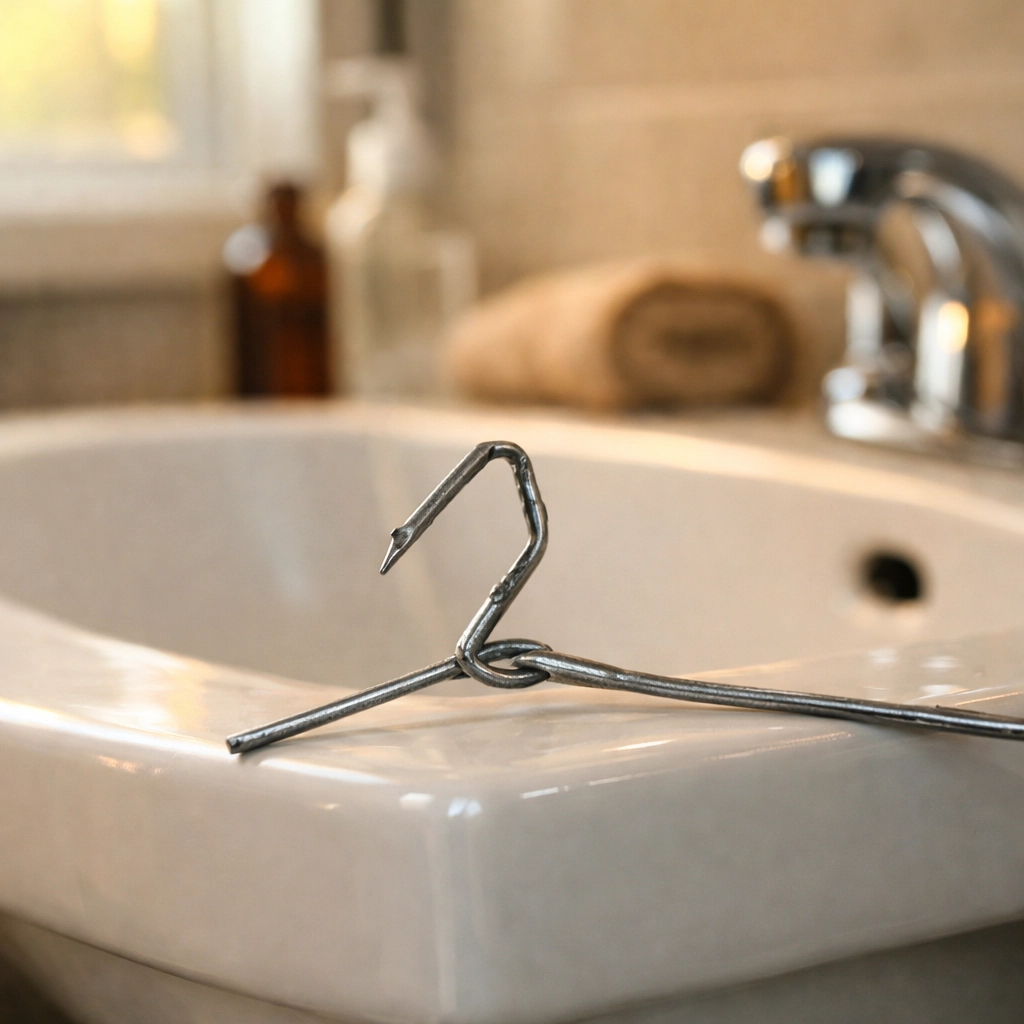
We get it: you’re handy! When a drain gets backed up, the first instinct is often to grab a wire coat hanger or a long stick to try and "fish out" the problem. While you might occasionally snag a hairball, more often than not, you’re just pushing the obstruction further down the line where it becomes much harder (and more expensive) to reach.
Even worse, metal hangers can scratch the porcelain of your sinks or snag on the joints of your pipes. In older homes, these makeshift tools can actually poke holes in weakened sections of the plumbing, turning a $200 drain cleaning into a multi-thousand-dollar pipe replacement.
The Fix: If the plunger doesn't do the trick, put the coat hanger back in the closet. Invest in a small hand-cranked drain snake from the store, or better yet, give your local plumbing experts a call.
4. Are You Being Too Aggressive with a Drain Snake?
For those who have stepped up their game and bought a DIY drain snake, there’s a new set of risks. We’ve seen many well-meaning neighbors force a snake around a tight corner or down a vent stack only to have it get stuck or break off inside the pipe.
Professional-grade snakes are powerful machines, but even the hand-cranked versions can scrape the interior of your pipes if used incorrectly. If you feel a lot of resistance, that isn't necessarily a signal to "push harder." It’s often a sign that you’ve hit a structural bend or a very solid blockage that needs a more delicate touch.
The Fix: Slow and steady wins the race. Use the snake gently. If you hit a wall and it won't budge with moderate pressure, stop immediately. Forcing it could cause a "screeching halt" to your weekend plans and a very messy cleanup.
5. Is Your Kitchen Sink "Eating" Things It Shouldn't?
This is perhaps the biggest culprit of all. We’ve all done it: we’re cleaning up after a big Sunday dinner, and we pour that pan of bacon grease or leftover gravy right down the drain. It’s liquid when it’s hot, so it seems fine, right?
Wrong! As soon as that grease hits the cool water and pipes under your house, it solidifies. It turns into a waxy, sticky mess that acts like glue, trapping every bit of food debris that follows. Over time, this creates "fatbergs" that can completely choke off your home’s drainage.
The Fix: Keep a "grease jar" (an old coffee tin or glass jar) under the sink. Pour fats, oils, and grease into the jar, let them cool, and toss the whole thing in the trash. Your pipes will thank you!

6. Are You Falling for the "Flushable" Wipe Myth?
This is a bit of a sore subject in the plumbing world. Many products marketed as "flushable" wipes are technically flushable: in the sense that they will go down the hole. However, unlike toilet paper, which is designed to dissolve almost instantly in water, these wipes stay intact for a long, long time.
In Philadelphia's older sewer systems, these wipes get caught on tree roots or rough pipe joints, creating massive blockages. We’ve also seen "kiddos" flush everything from toy cars to dental floss. Remember: the toilet is not a trash can!
The Fix: Only three things should ever go down your toilet: "Number 1," "Number 2," and toilet paper. Everything else: including wipes, tampons, cotton balls, and floss: belongs in the wastebasket.
7. Are You Ignoring the Warning Signs?
Finally, the biggest mistake of all is simply ignoring the "check engine light" of your plumbing. If your sink is draining a little slower than usual, or if you hear a gurgling sound in the tub when the toilet flushes, your house is trying to tell you something.
Ignoring these minor issues is like ignoring a small leak in your roof. Eventually, it will become a major problem. Most emergency plumbing calls we receive could have been prevented if the homeowner had called us when the drain first started acting up.
The Fix: Practice proactive maintenance. Once a month, give your drains a little "TLC" by flushing them with hot water. Check your stoppers and strainers for hair buildup. And most importantly, if things seem slow, don't wait for a flood to call for help.
Your Local Partners in Home Health
At McClain Bros LLC., we aren't just a business; we’re your neighbors. We know the quirks of Philadelphia plumbing because we live and work right here with you. We want your home to be a place of comfort, not a source of stress.
Whether you need a quick drain cleaning or you're ready to upgrade your home with a full bathroom remodeling, we’re here to help with a friendly smile and professional expertise.
Don’t let a small clog turn into a big headache. If your drains are giving you trouble, give us a shout! We pride ourselves on being reliable, affordable, and always ready to serve our community.
Ready to get those drains flowing freely again? Contact us today and let's get your home back in tip-top shape!